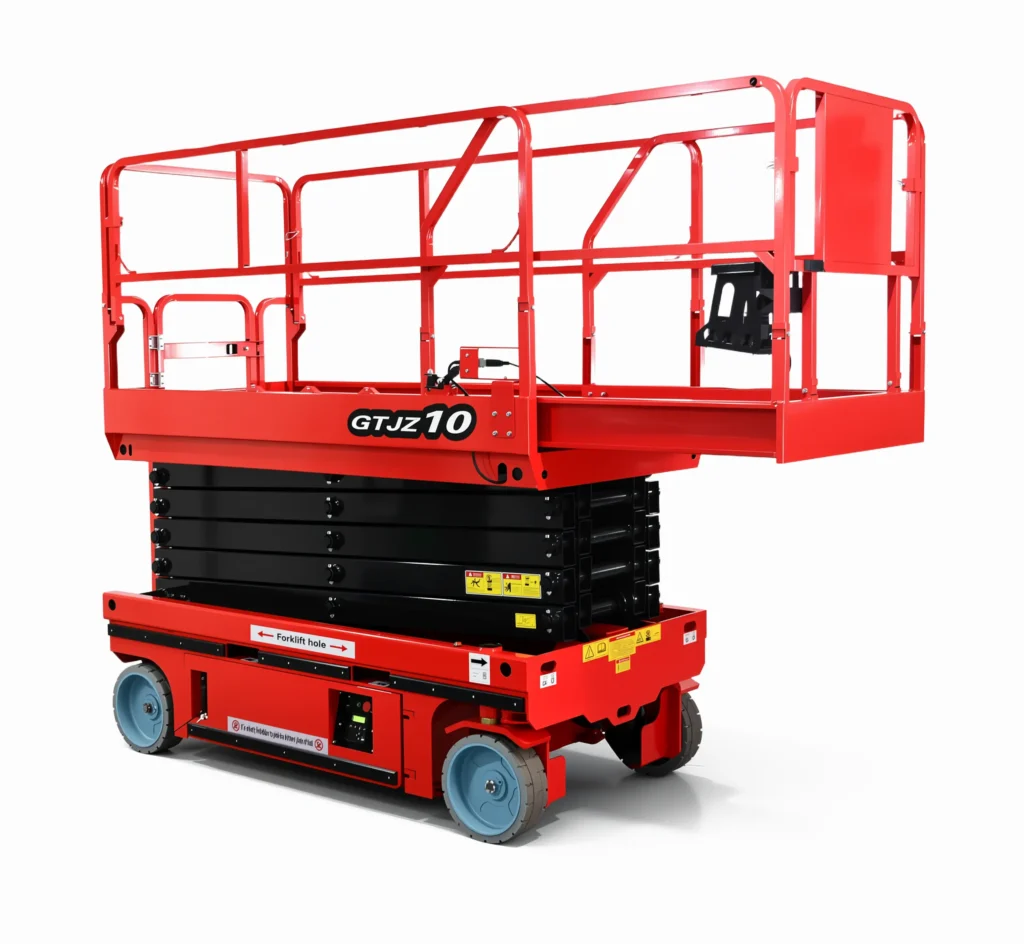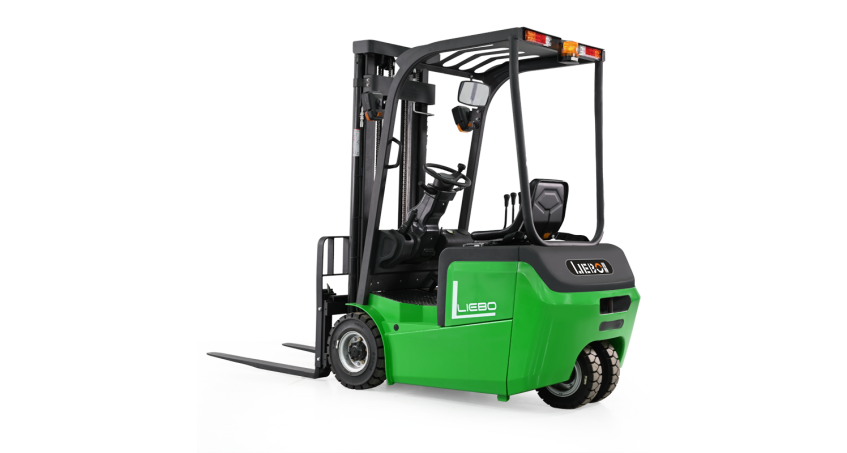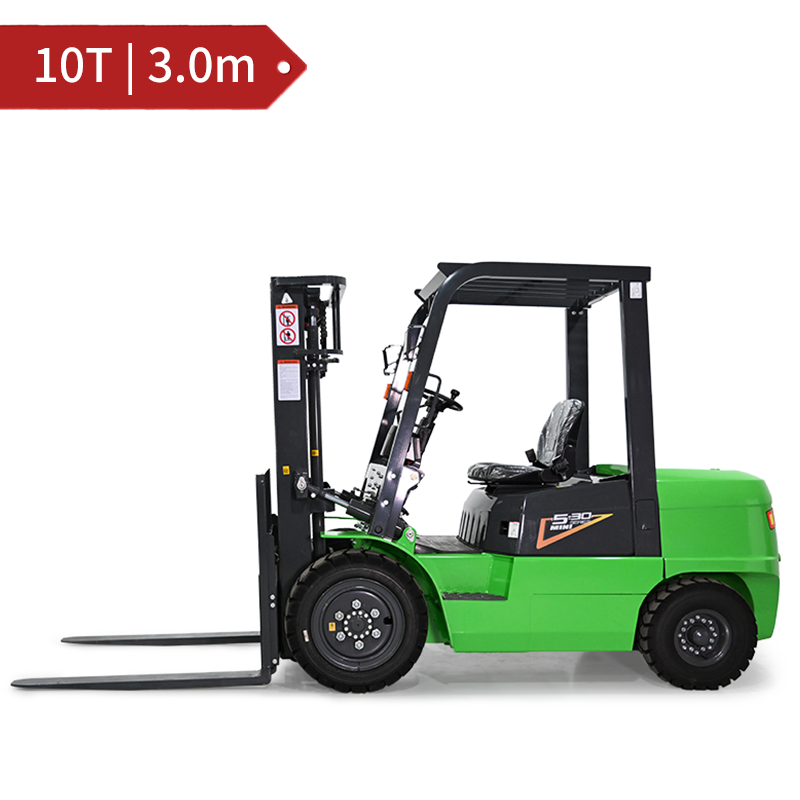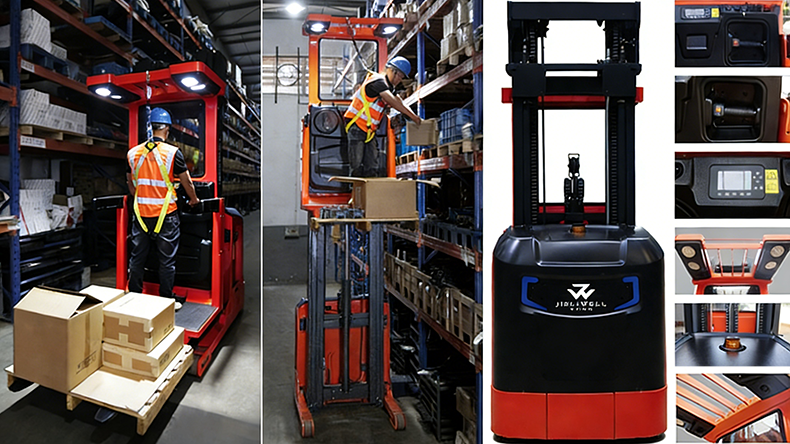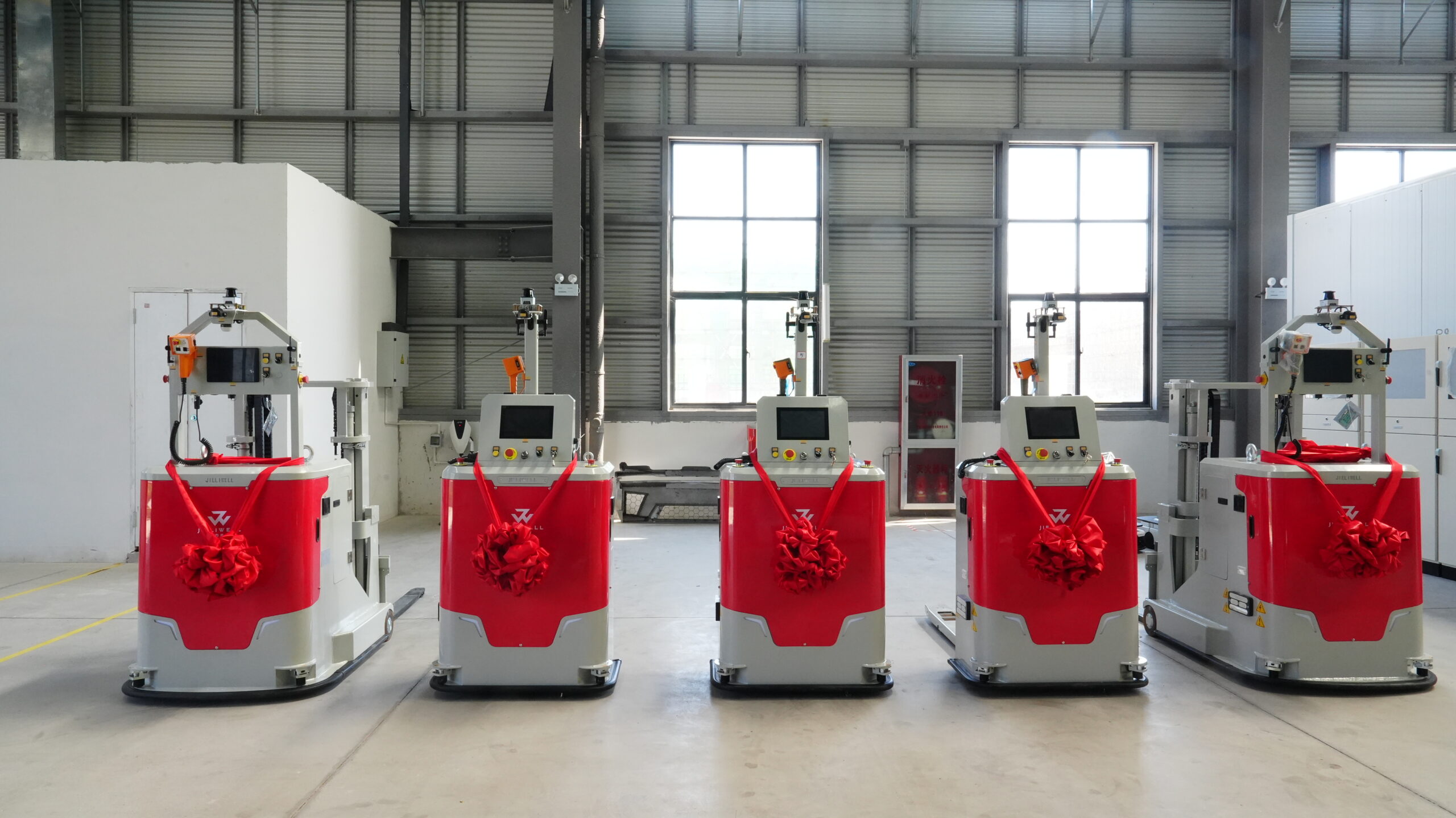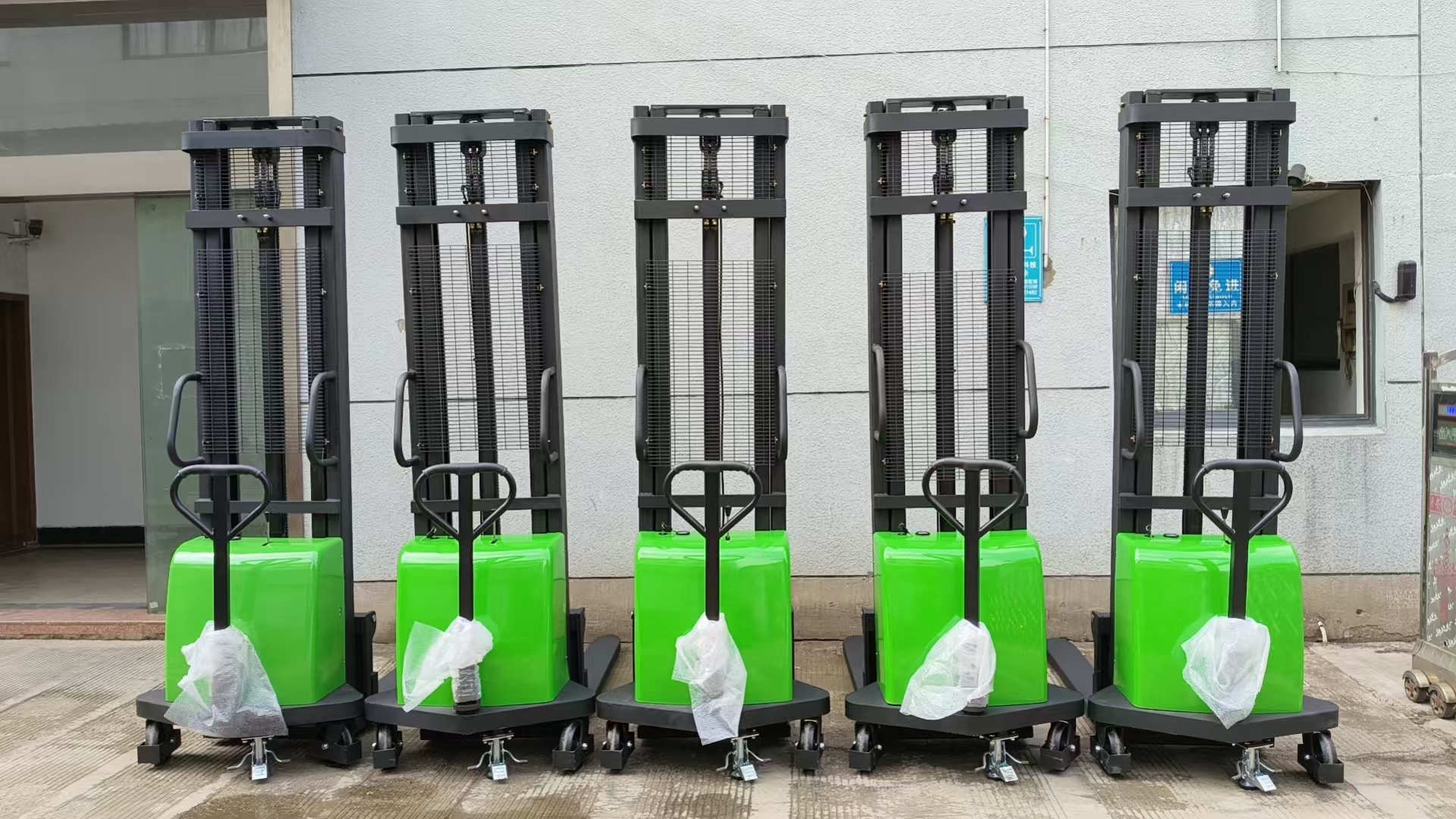
When selecting an electric forklift or material handling equipment, getting the right fit for your operations involves much more than just comparing prices. Based on industry insights and user feedback, here are the five most critical dimensions to evaluate before making a purchase.
3 Key Factors to Consider When Choosing an Electric Forklift
- Brand Heritage & Reputation
Established brands often come with decades of experience, mature technology, and a robust service network. In many global rankings, names like Hangcha and Linde frequently appear as top contenders due to their reliability and extensive spare parts networks.
- Product Fit & Application
Your choice should match your specific operating environment:
lIndoor vs. Outdoor Use: Consider tire types and weather resistance.
lLoad Capacity: Determine your tonnage needs (e.g., 1.5-ton, 2-ton, 3-ton forklifts).
lPower & Runtime: Evaluate battery life, lithium-ion vs. lead-acid options, and overall maintenance costs.
- After-Sales Service & Spare Parts
Buying equipment is just the beginning. Long-term value depends on:
lService response time.
lAvailability of replacement parts.
Provide professional technical training
Quick Overview of Popular Brands
Hangcha: A strong Chinese player with deep industry roots and solid technology. Known for reliability, though often positioned at a premium price point.
Linde & Toyota: Global giants with excellent engineering. However, spare parts availability can sometimes be a challenge depending on your region.
Emerging & Mid-Tier Brands: Many agile manufacturers are gaining traction by offering flexible solutions. One such example is Jieliwell (jieliwell forklift) , which focuses on responsiveness and customization.
Remember: The “best” brand isn’t always the biggest one—it’s the one that best fits your specific warehouse needs, budget, and service expectations.
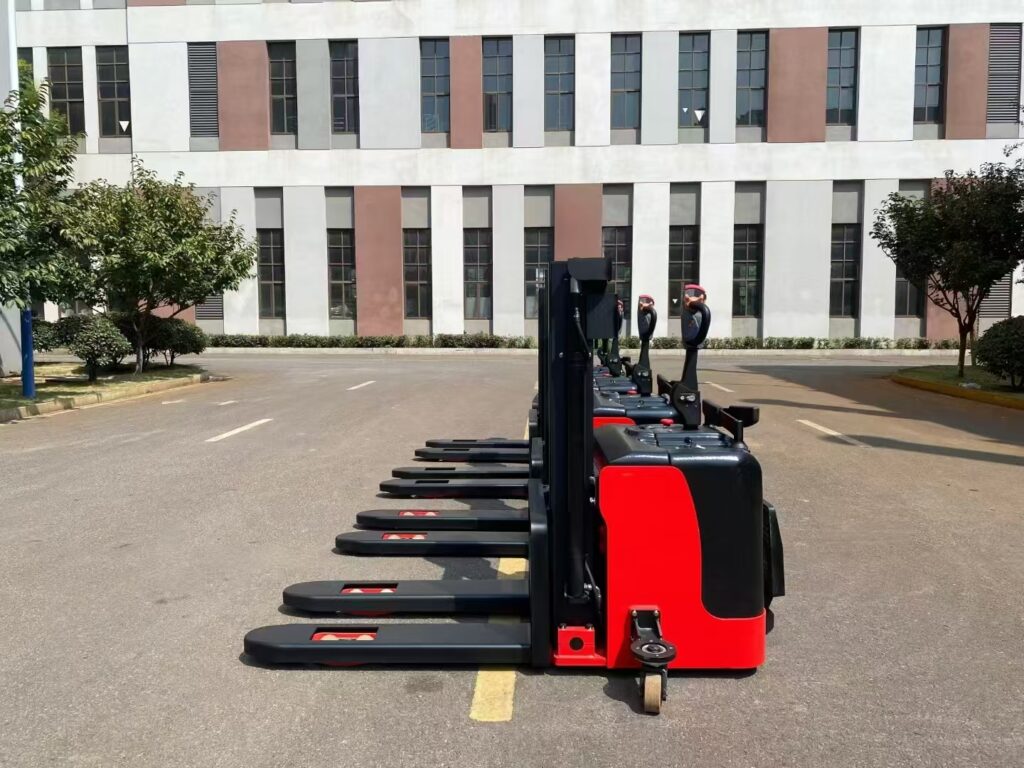
Why Consider Jieliwell Electric Forklifts?
If you’re looking for a balance of affordability, Technical Support, and operational fit, Jieliwell (based in the Shanghai Hongqiao hub) offers some compelling advantages:
Strong Regional Presence: Located in a major transportation hub, they welcome factory visits and benefit from excellent export logistics.
Flexible & Customer-Oriented: Unlike rigid corporate structures, mid-tier manufacturers like Jieliwell often provide greater flexibility in pricing and customization—ideal for small to medium-sized warehouses or budget-conscious buyers.
Specialization in Electric Handling: Situated in Shanghai’s advanced manufacturing zone, they have access to a rich supply chain, enabling quicker turnarounds on customized electric solutions.
Just be sure to confirm:
- Warranty terms and service response commitments.
- Lead times for spare parts.
- Provide professional technical training
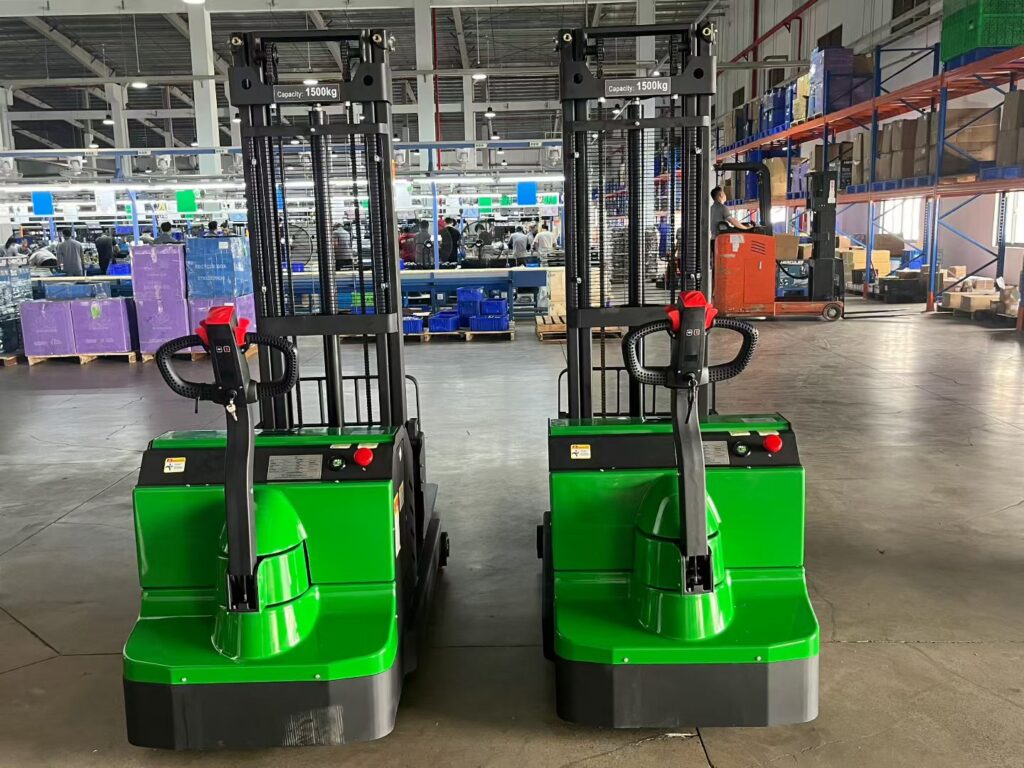
To make the best decision, walk through this checklist:
- Tonnage: Do you need a 2-ton, 3-ton, or 5-ton forklift?
- Environment: Indoor flat floors or outdoor ramps? Any slopes?
- Battery Type: Prefer lithium-ion (fast charging, low maintenance) or lead-acid (lower upfront cost)?
- 4. Budget: Consider total cost of ownership—not just the purchase price.
- 5. Test Drive: Always try the equipment. Check the operator’s view, stability, noise levels, and how smoothly the forks lift and lower.
Final Thought
If you’re operating in China and looking for a cost-effective, service-oriented partner for electric forklifts—especially for light to medium warehouse logistics—Jieliwell is worth a serious look.
But don’t stop there. Compare them with the major names. Test the equipment. Ask the hard questions. In the end, the right choice is the one that fits your operation best.
#Electric Forklift #Material Handling #Lithium Ion Forklift #Warehouse Equipment #Forklift Manufacturer #Jieliwell #Hangcha #Linde Forklift #Logistics Solutions #Smart Warehouse