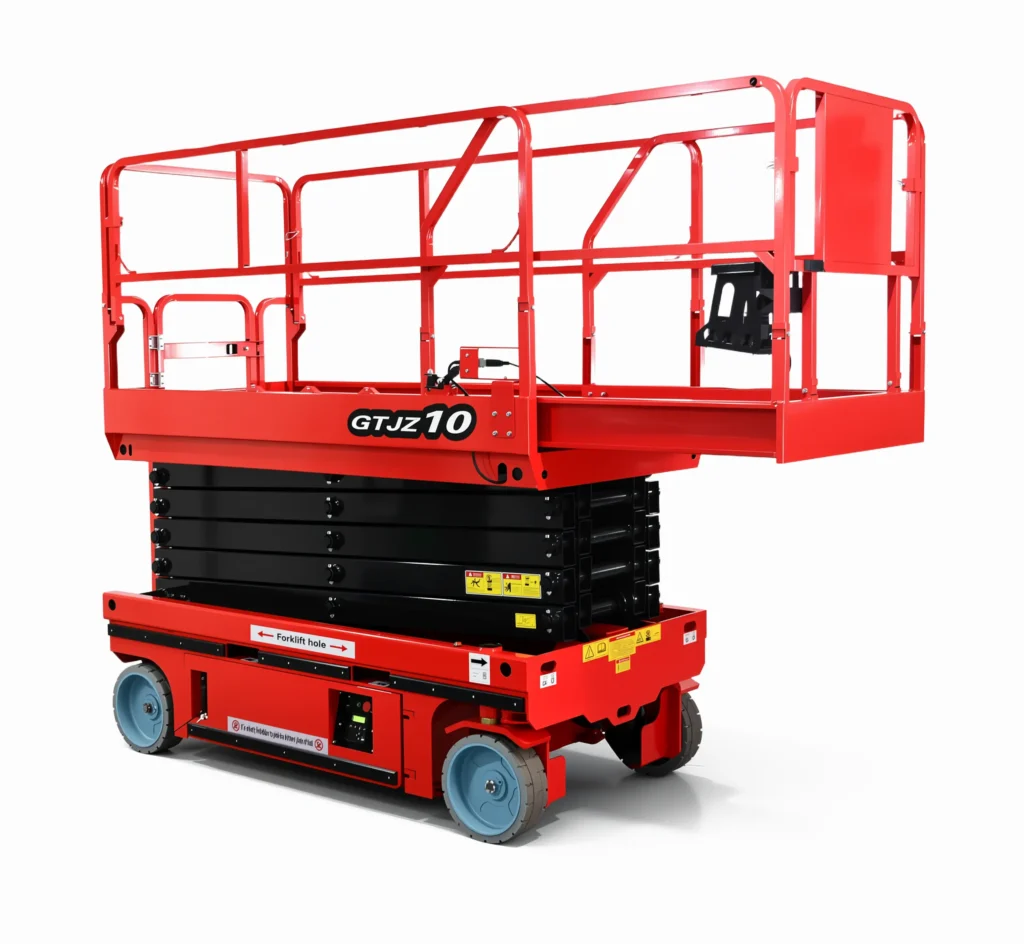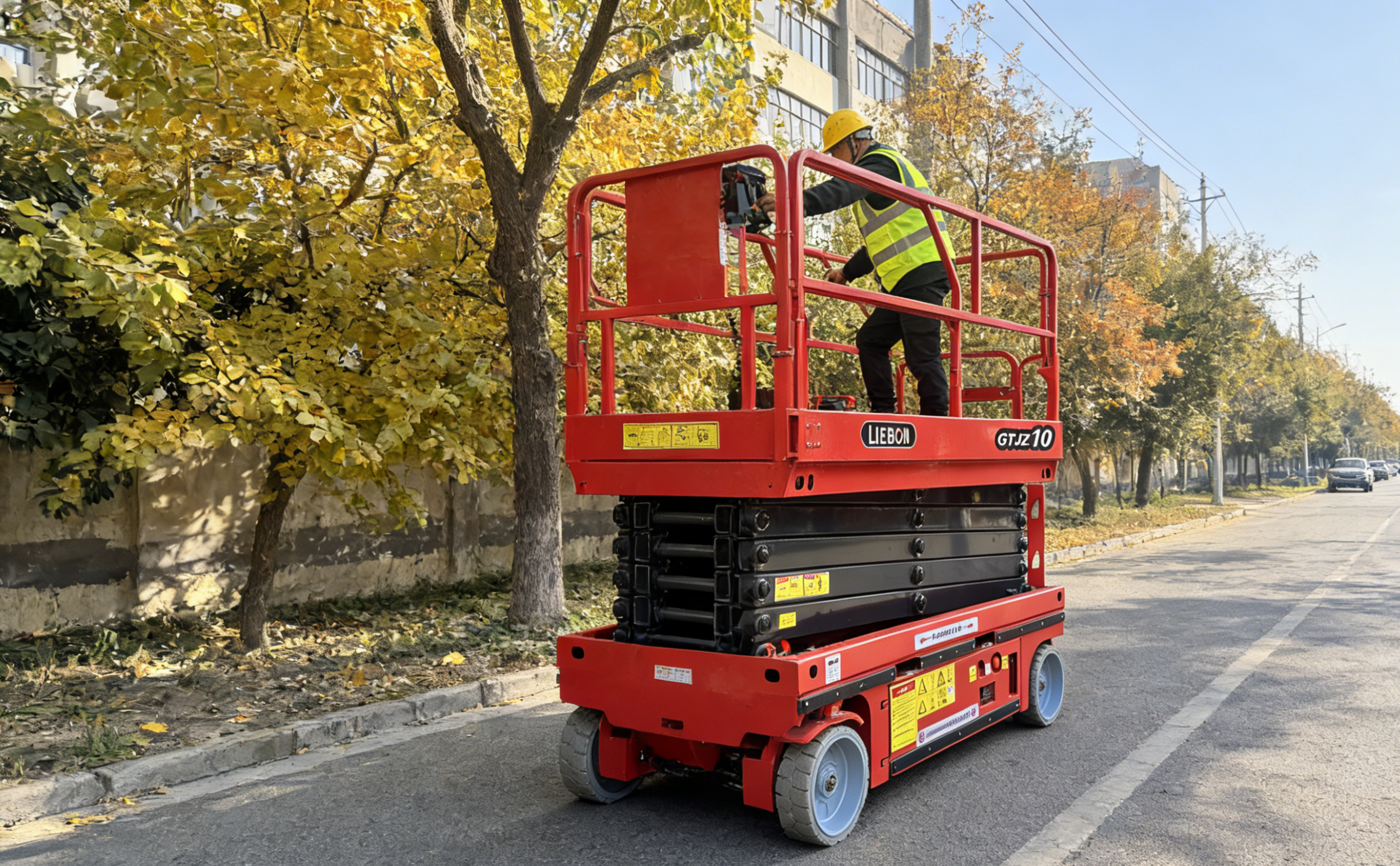
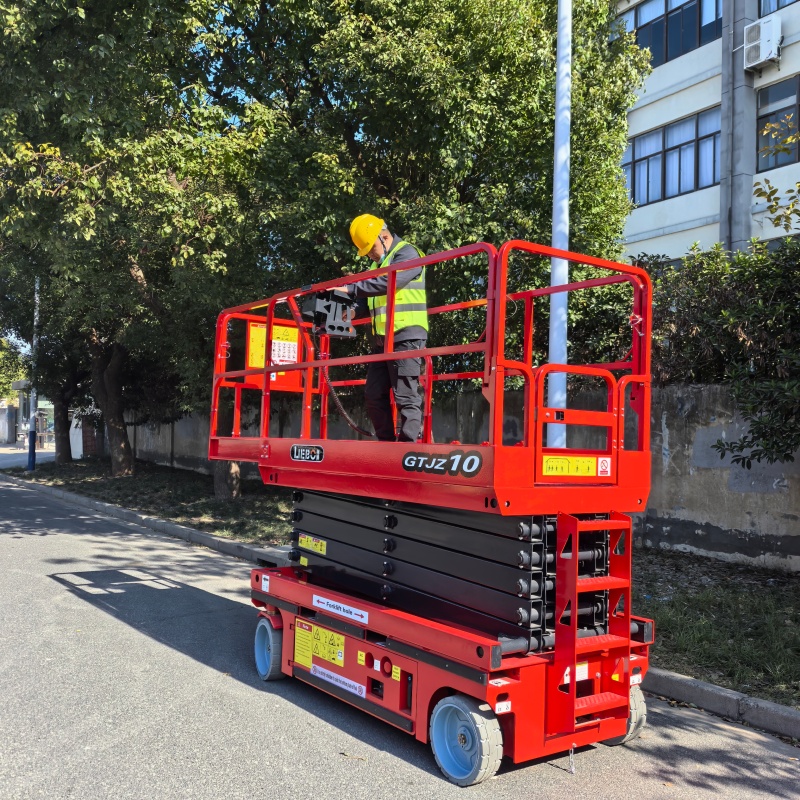
When it comes to operating Aerial Work Platforms (AWPs), safety and skill aren’t just best practices—they’re absolute necessities. Whether you’re handling a versatile scissor lift, a long-reaching boom lift, a nimble spider lift, or a robust truck-mounted platform, understanding the critical operating techniques and safety precautions is what separates professional crews from risky operations. Here’s how to ensure peak performance and unparalleled safety on every job site.
Ⅰ.Preparation: Your First Line of Defense
Success starts on the ground. Before elevating, a meticulous pre-operation check is non-negotiable for any aerial lift or vertical personnel platform.
- Inspect Platform Stability: Confirm the stability of your mobile elevated work platform (MEWP). Ensure it’s on solid footing to handle the intended workload and environmental variables.
- Verify Safety Gear Integrity: Thoroughly check all fall protection systems, including safety harnesses, lanyards, and guardrail systems.
- Confirm Equipment Suitability: Ensure the platform meets the task’s specific needs for working height, platform capacity, and outreach.
- Conduct a Site Hazard Assessment: Plan the work zone by identifying and eliminating ground hazards, obstructions, and overhead dangers like power lines.
Ⅱ.Safe Access & Egress: Navigate the Most Critical Phase
Statistics show that entering and exiting the platform presents significant risk. Master these procedures for scissor lift operation and boom lift operation alike.
- Always use and properly don personal protective equipment (PPE). Ensure your harness is securely attached to the designated anchor point.
- Maintain three-point contact when using ladders or stairs. Never rush.
- Keep your center of balance low and move deliberately. Avoid carrying tools in your hands while climbing.
- Upon descent, secure tools first, then step onto stable ground while firmly gripping the handrails.
III. In-Operation Safety: Key Protocols for Elevated Work
Operating safely at height demands constant vigilance. Adhere to these points whether you’re in an articulating boom lift, a telescopic boom lift, or a compact spider lift.
- Respect Rated Capacity: Never exceed the platform’s rated load capacity or maximum working height. This is the cornerstone of aerial lift safety.
- Implement Wind Safety Protocols: For outdoor operation, constantly monitor wind speeds. Use wind speed indicators and follow manufacturer guidelines for safe operation in wind.
- Prevent Unintended Movement: Engage all brakes and outriggers before elevation. Ensure the platform base or tires are stable to prevent slippage or tip-over.
- Commit to Proactive Maintenance: Adhere to a strict schedule of daily inspections and preventive maintenance to guarantee equipment reliability.
Ⅳ.Handling Emergencies: Preparedness Saves Lives
A prepared operator is a safe operator. Know how to respond to these common dangerous situations.
- Adverse Weather Response: For sudden weather changes (rain, high winds, lightning), initiate an immediate orderly shutdown, lower the platform, and seek shelter.
- Equipment Malfunction Protocol: In case of electrical faults, hydraulic leaks, or control issues, use emergency descent functions if safe, then tag-out the equipment and report it immediately.
- Accident Response Procedure: If an incident occurs—such as a strike against an object, entanglement, or tip-over—activate the emergency plan, provide first aid if trained, and report to supervision without delay.
Ⅴ.Fostering a Total Safety Culture
Safety is a team responsibility, from the certified operator to the ground guide.
- Invest in Comprehensive Training: Ensure all personnel complete OSHA-compliant or equivalent operator training and aerial lift certification programs. Knowledge of ANSI/SAIA A92 standards is crucial.
- Strict Adherence to Procedures: Follow the manufacturer’s operator manual and site-specific safe work plans without exception.
- Empower Proactive Reporting: Encourage a culture where workers perform pre-start inspections and immediately report any equipment defects or near-misses.
- Utilize Clear Communication: For tasks requiring a spotter or team, use standardized hand signals and maintain constant communication to ensure situational awareness.
Partner with Safety, Choose the Right Equipment for the Job.
Mastering these aerial work platform guidelines is essential for operating any equipment, from rough-terrain scissor lifts and electric boom lifts to insulated aerial devices for utility work. By prioritizing rigorous preparation, certified training, and a vigilant safety culture, you dramatically reduce downtime and, most importantly, protect your greatest asset—your people.
Ready to Elevate Your Standards? Choose platforms designed with innovative safety features and invest in continuous training. Because in high-altitude work, the right knowledge and the right machine build the foundation for success. Work Smart. Work Safe. Reach Higher.